
Monitoring Service
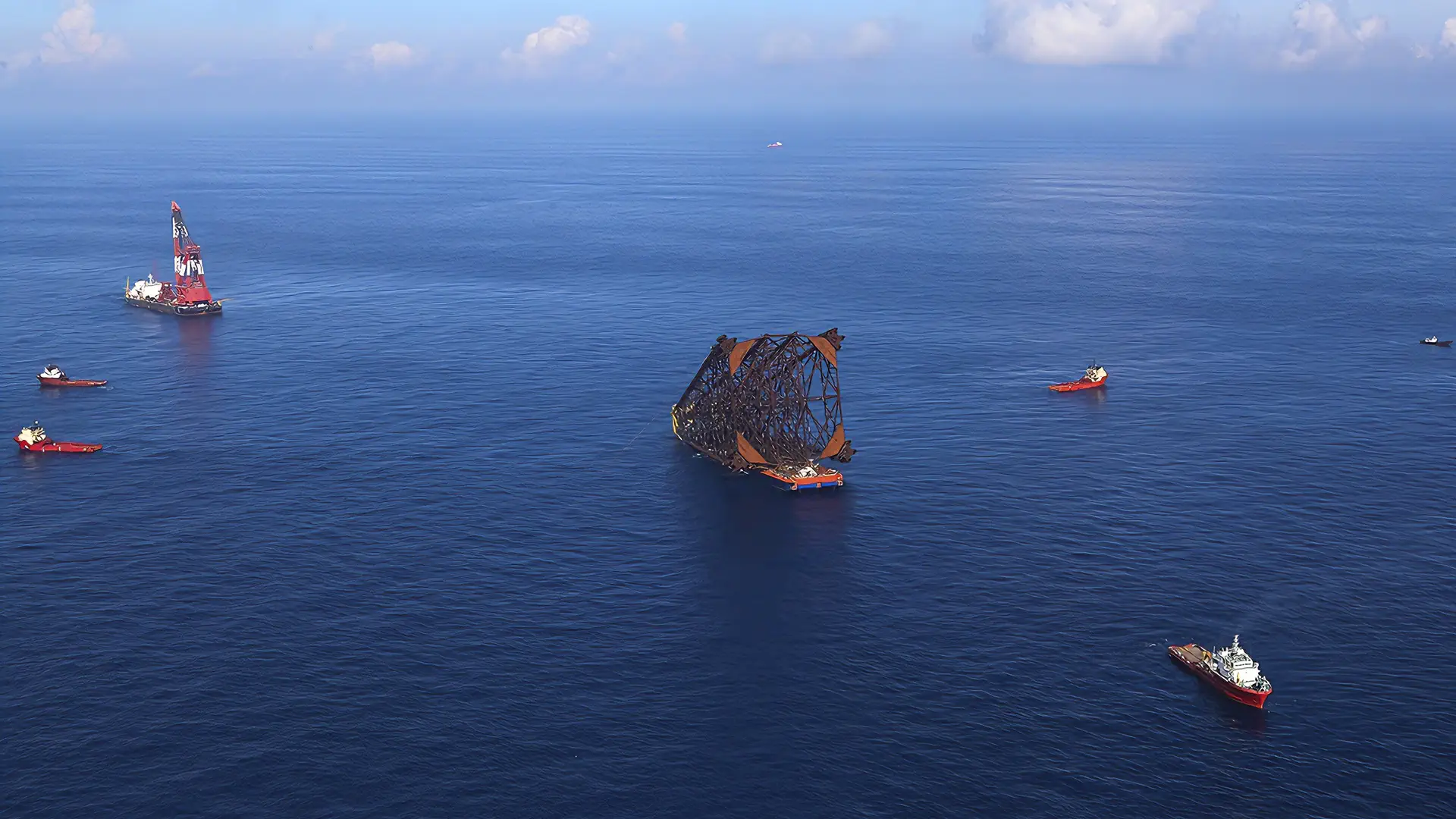
Offshore Pile Driving Monitoring
NES can apply high-strain monitoring for the under water and above water piles. This monitoring is used to assess the stress state and bearing capacity of the piles in real time. The primary monitoring data includes hammering energy, pile head stress, pile toe stress, hammering force, pile integrity, and the bearing capacity of steel piles calculated using the CASE method.
Transportation Monitoring
There is a risk of damage to the vessel and its sea-fastening components for the cargo transportation with large weight, high center of gravity and large volume. The main functions of the transportation monitoring are as follows:
- Real-time monitoring of the movement status of the vessel and cargo: An alarm will be triggered to alert the staff when the monitored values exceed the design values.
- Stress and strain monitoring at specific locations: The monitoring software will issue a warning when the stress values exceed the design values.
- Satellite transmission of monitoring data to the base station: This allows the owner to view the status of the transport vessel in real time from the office
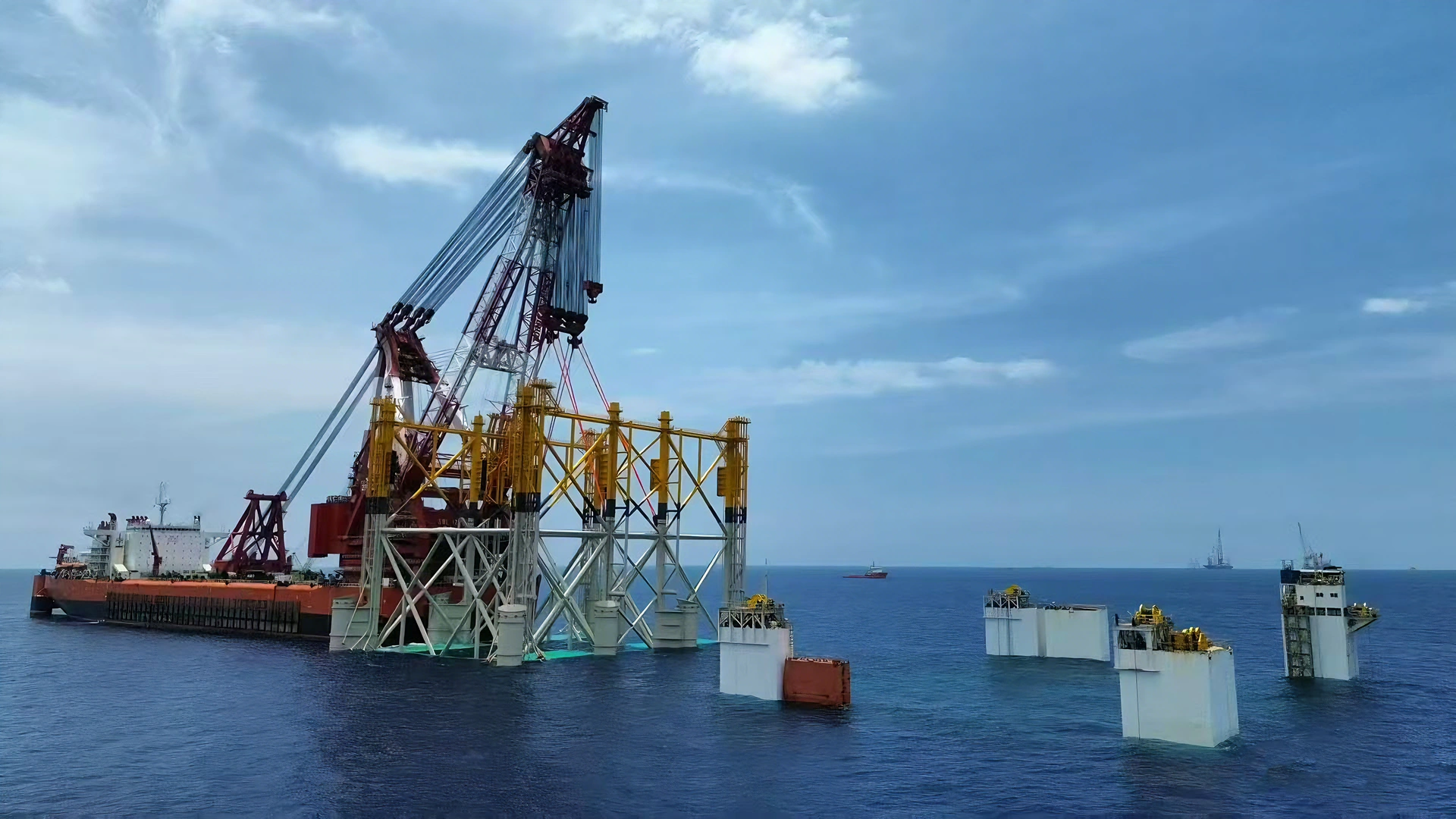
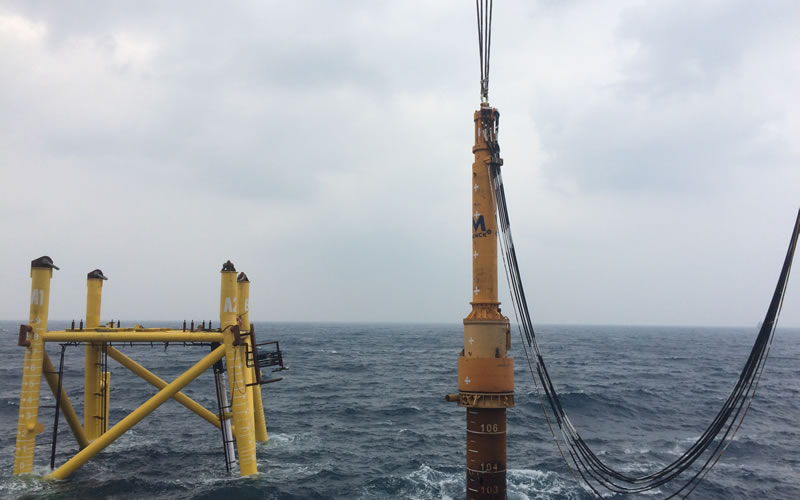
Topside Float-over Installation Monitoring
The on-site wind, waves, currents, tidal levels and vessel movements are the critical factors for the topside float-over installation. The float-over monitoring can show these factors in real-time manner to ensure the float-over operation meet the designed requirements, moreover the associated real-time monitoring result which showing to the project management team can assist the team for decision making.
- The real-time wind, wave, current, tidal levels and vessel movements can be monitoring, which compared with the designed values. If there is any environmental condition exceeds the design threshold, the corresponding warning module will turn red to alert construction personnel.
- Motion sensors installed on the vessel monitor the movement of topside in real time. The auxiliary monitoring system calculates the three-axis motion amplitude of LMU on the topside. If the LMU motion amplitude exceeds the float-over installation calculation value, the monitoring system will issue an early warning.
Loadout Monitoring
The tidal level, the barge status and the loadout speed shall be monitored for the loadout operation.
- Real-time tidal monitoring: compares the real-time tides with the predicted tides to adjust the ballasting plan.
- Vessel Attitude Monitoring: Focuses on the levelness of the deck and the quay.
- ③Loadout Progress Monitoring: Tracks the position of structure boarding the vessel in real time, determining the next ballasting plan.
These key monitoring data are displayed in real time in the vessel’s ballast control room, ensuring that ballasting engineers can adjust the vessel based on the latest data. If the vessel’s inclination angle exceeds the design value, the monitoring system will issue a warning.
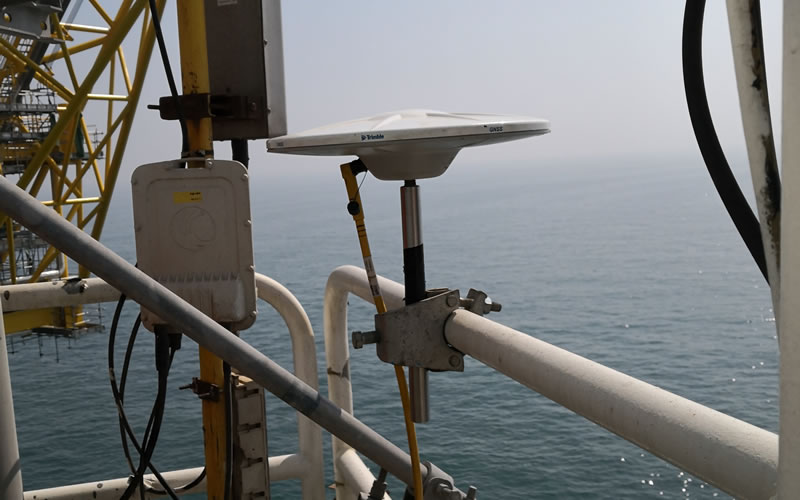
Launch and Upending Monitoring
- Barge Status Monitoring: Sensors monitor the vessel's attitude in real time, allowing the engineer to determine if the design attitude has been achieved and to proceed the next steps. During jacket launching process, real-time vessel attitude data can help assess the vessel's stability.
- Jacket Status Monitoring: Real-time monitoring for the jacket's attitude help engineers access the jacket stability and upending process, which is beneficial for the following operations. Meanwhile, a three-dimensional display offers a clear view for the underwater status of the jacket.
Customized Monitoring
- FPSO turret monitoring - Monitors the turret's levelness and center offset in real time during lifting operations.
- Steel Pile Verticality Monitoring: Monitor the verticality of large-diameter steel piles in real time to ensure alignment through adjustments.
- Other Customized monitoring services